The Dawn of Smart Farming in Southeast Asia
The agricultural landscape of Southeast Asia is at a critical juncture. As global demand for protein soars, traditional farming methods are struggling to keep pace with the need for efficiency, sustainability, and biosecurity. In Vietnam, a nation with a deeply rooted history in pig farming, producers face a unique set of challenges: volatile feed prices, the constant threat of infectious diseases like African Swine Fever (ASF), and the difficulty of managing large-scale operations with manual labor. The path to profitability is narrow, demanding a technological leap forward.
This is the story of Thanh Cong Farm, a mid-sized operation in the Đồng Nai province, which dared to make that leap. Facing stagnating profits and an unacceptably high Feed Conversion Ratio (FCR), the farm’s management realized that incremental improvements were no longer enough. They needed a complete, data-driven overhaul. Their solution? Trackfarm, the comprehensive smart livestock management platform designed to bring precision agriculture to the piggery.
The Pre-Trackfarm Reality: A Ticking Clock of Inefficiency
Before Trackfarm, Thanh Cong Farm operated much like its regional peers. Decisions were based on intuition, visual inspection, and paper-based records. This system, while time-honored, was riddled with inefficiencies that chipped away at the bottom line.
The Feed Wastage Crisis
Feed accounts for up to 70% of the total cost of pig production. At Thanh Cong, the manual feeding process was inconsistent and wasteful. Overfeeding was common, leading to unnecessary expenditure and environmental strain. Conversely, underfeeding certain pens resulted in slower growth rates and a longer time to market, further delaying revenue. The farm lacked the granular data to link specific feed batches to performance metrics, making root-cause analysis of poor FCR virtually impossible.
The Biosecurity Blind Spot
Disease management was reactive rather than proactive. By the time a sick pig was visually identified by a worker, the infection often had time to spread, leading to costly veterinary interventions and, in the worst cases, mass culling. The lack of continuous, objective health monitoring meant that subtle behavioral changes—early indicators of illness—were missed entirely. The shadow of ASF loomed large, making every day a gamble.
Labor and Data Overload
The farm employed a significant number of staff whose primary tasks involved manual data collection: weighing pigs, monitoring feed troughs, and recording breeding cycles. This process was prone to human error, time-consuming, and diverted valuable labor away from critical animal care. The resulting data was often siloed, delayed, and not in a format that could be easily analyzed to inform strategic decisions. The farm was generating data, but it was dark data—unseen and unused.
The Trackfarm Transformation: Precision at Scale
The implementation of Trackfarm marked a fundamental shift from traditional farming to precision livestock farming (PLF). The system is not merely a collection of sensors; it is an integrated ecosystem that provides a single source of truth for every animal on the farm.
Seamless Integration
The Trackfarm team worked closely with Thanh Cong’s existing infrastructure. High-definition, AI-powered cameras were installed in every pen. Smart scales and RFID tags were deployed to monitor individual animal weight and movement. Crucially, the system integrated with the farm’s existing automated climate control and ventilation systems, centralizing control through the Trackfarm dashboard.
The Power of the Dashboard
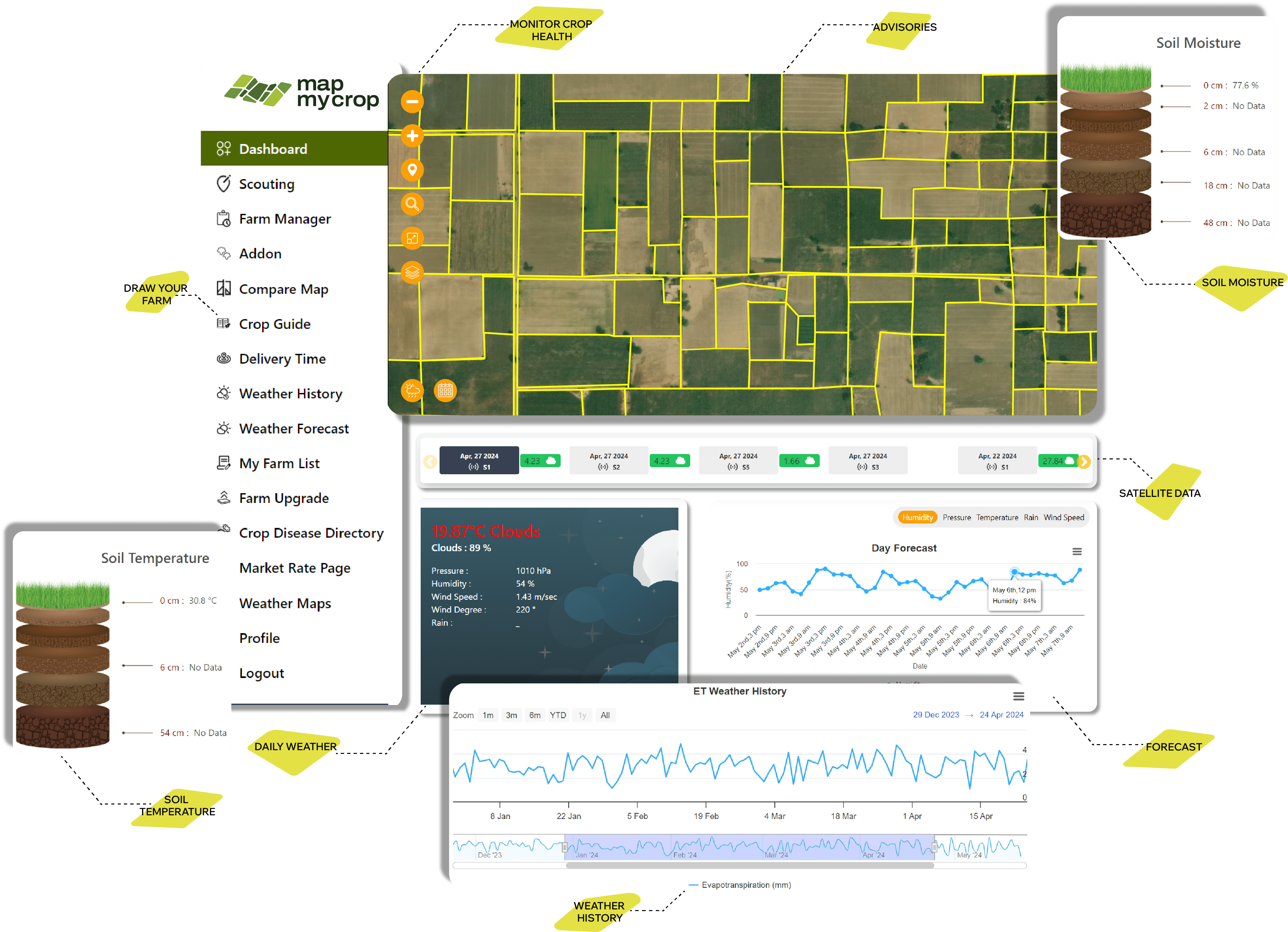
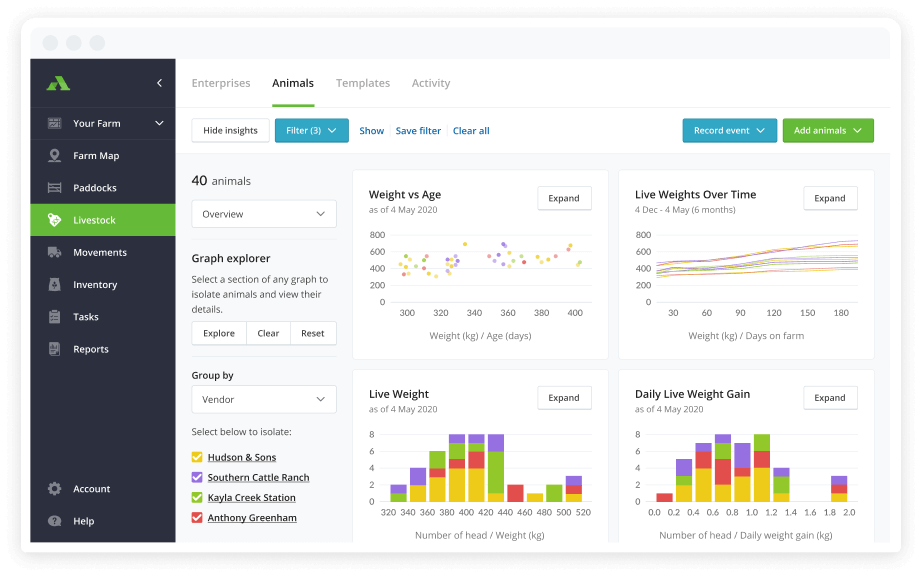
The farm manager, Mr. Hùng, now operates from a single, intuitive dashboard. Instead of walking the entire facility multiple times a day, he receives real-time alerts and comprehensive reports on his tablet. This shift in workflow has not only saved countless hours but has also transformed his role from a supervisor of manual tasks to a data-driven decision-maker.
Deep Dive: Trackfarm’s Core Modules Delivering Results
The success at Thanh Cong Farm can be attributed to the optimized performance of three core Trackfarm modules: Precision Nutrition, Predictive Health, and Advanced Reproduction Management.
1. Precision Nutrition: Optimizing the Feed Dollar
The most immediate and significant impact came from the Precision Feeding System. Using a combination of smart scales and computer vision, Trackfarm accurately monitors the feed intake of each pen and, in some cases, individual animals.
- Dynamic Rationing: The system adjusts the feed composition and quantity based on the pig’s actual growth curve, not just a static schedule. If a pen shows a slower-than-expected weight gain, the system can automatically increase the protein content or adjust the delivery schedule.
- Waste Reduction: By ensuring feed is delivered only when needed and in precise amounts, Thanh Cong Farm reported a 12% reduction in feed wastage within the first six months. This saving alone was enough to cover a significant portion of the Trackfarm investment.
2. Predictive Health: Catching Illness Before It Spreads
The AI-powered vision system is the farm’s new, tireless sentinel. The cameras continuously analyze pig behavior, looking for subtle anomalies that precede clinical signs of disease.
- Behavioral Anomaly Detection: The AI tracks activity levels, feeding patterns, and social interactions. A pig spending too much time isolated, or a pen showing a sudden drop in collective activity, triggers an immediate, high-priority alert.
- Thermal and Cough Analysis: Integrated thermal imaging and acoustic sensors detect slight fever spikes or increased coughing frequency. This allows the farm team to isolate and treat a single animal days before a human observer would notice the problem, effectively preventing an outbreak. The farm’s mortality rate dropped by 3.5 percentage points year-over-year.
3. Advanced Reproduction Management: The Farrowing Advantage
For a breeding operation, maximizing the number of healthy piglets per sow per year (PSY) is the ultimate metric. Trackfarm’s Reproduction Module provided the necessary precision.
- Estrous Cycle Prediction: By monitoring sow activity and body condition scores via vision analysis, the system provides a highly accurate window for insemination, dramatically improving conception rates.
- Farrowing Watch: During the critical farrowing period, the system monitors sow posture and movement, alerting staff to potential complications or when a sow is about to give birth, ensuring timely intervention and maximizing litter survival. Thanh Cong Farm saw an increase of 1.8 PSY in the first year.
The Numbers Don’t Lie: A Profitable Partnership
The true measure of Trackfarm’s success at Thanh Cong Farm is the impact on their financial performance. The combination of reduced costs (feed, labor, veterinary) and increased output (faster growth, higher PSY, lower mortality) resulted in a dramatic increase in overall profitability.
Mr. Hùng, the farm manager, commented:
“Before Trackfarm, we were guessing. We were reacting. Now, we have certainty. We know exactly where every dollar is going and exactly what return we are getting. The system paid for itself faster than we ever imagined. It’s not just technology; it’s a competitive advantage.”
The following table summarizes the key performance indicators (KPIs) before and after the implementation of the Trackfarm system:
| Key Performance Indicator (KPI) | Pre-Trackfarm (2023 Average) | Post-Trackfarm (2024 Average) | Improvement |
|---|---|---|---|
| Feed Conversion Ratio (FCR) | 2.95 | 2.68 | 9.15% Reduction |
| Piglets per Sow per Year (PSY) | 24.5 | 26.3 | 7.35% Increase |
| Pre-weaning Mortality Rate | 11.2% | 7.7% | 3.5 ppt Reduction |
| Time to Market (Days) | 175 | 168 | 7 Days Faster |
| Annual Net Profit Margin | 8.5% | 14.1% | 5.6 ppt Increase |
The most compelling figure is the 5.6 percentage point increase in Annual Net Profit Margin. This significant financial uplift demonstrates that smart farming is not a luxury but a necessity for modern, competitive operations.
Beyond the Barn: Sustainability and Labor
The benefits of Trackfarm extend beyond the immediate financial metrics, addressing broader industry concerns around sustainability and labor.
Environmental Stewardship
The optimized feed management directly translates to a reduced environmental footprint. Less wasted feed means less nutrient runoff and lower nitrogen and phosphorus excretion, aligning Thanh Cong Farm with increasingly stringent environmental regulations. Furthermore, the precise control over ventilation and temperature reduces energy consumption by ensuring systems run only when necessary, not continuously.
Empowering the Workforce
The implementation of Trackfarm did not lead to job losses; rather, it led to a re-skilling and up-skilling of the existing workforce. Farm workers were trained to become “Precision Livestock Technicians,” focusing on animal welfare, data interpretation, and targeted intervention, rather than repetitive, manual data entry. This shift has increased job satisfaction and retention, addressing a common challenge in the agricultural sector.
The Future is Data-Driven: Scaling Success
The success story of Thanh Cong Farm is a blueprint for the future of pig farming across Vietnam and Southeast Asia. The region is characterized by a high density of small-to-mid-sized farms, all of which stand to benefit from the efficiency gains demonstrated here.
Trackfarm’s modular design means it is scalable. A farm can start with a single module, such as health monitoring, and gradually integrate other features as their needs and budget allow. The platform is designed to be hardware-agnostic where possible, ensuring that the initial investment is protected and future upgrades are seamless.
The next phase for Thanh Cong Farm involves integrating Trackfarm’s supply chain module to optimize logistics from farm gate to processor, further reducing costs and ensuring product quality. The goal is to create a fully transparent, end-to-end smart supply chain.
Conclusion: The Trackfarm Advantage
The case of Thanh Cong Farm is a powerful testament to the transformative potential of smart farming technology. By replacing guesswork with precision data, manual labor with intelligent automation, and reactive management with predictive analytics, Trackfarm delivered a clear, measurable increase in profitability and sustainability.
In the competitive global market, the difference between surviving and thriving often comes down to a few percentage points of efficiency. For Thanh Cong Farm, Trackfarm provided the edge they needed, securing their future and setting a new standard for pig production in Vietnam. The era of smart farming has arrived, and for those who embrace it, the rewards are substantial.